System Design theory
Key Principles of System Design
For any developer, a deep understanding of the fundamental principles of system design is essential for creating stable and scalable software systems capable of delivering high performance. System design involves the development of a system's architecture and structure to meet specific requirements and achieve the desired performance metrics.
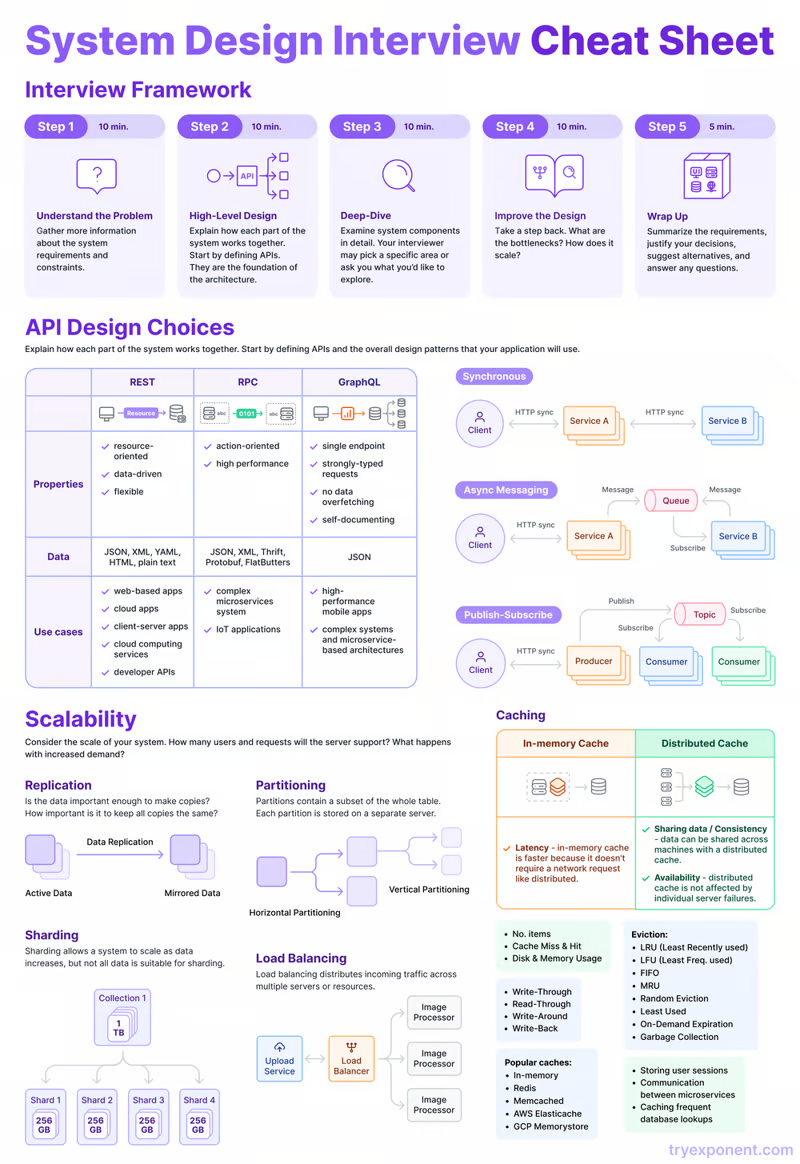
With the rapid advancement in technology and the increasing complexity of software applications, mastering system design principles is becoming critically important for developers aiming to create efficient systems. Whether you're a beginner or an experienced professional, mastering these principles will enable you to develop reliable and scalable software systems that meet the demands of modern applications.
Here are 10 key principles of system design that every programmer should know. These principles form the foundation for building software systems capable of handling large volumes of data, supporting high user concurrency, and ensuring optimal performance:
- Scalability
- Availability
- Reliability
- Fault Tolerance
- Caching Strategies
- Load Balancing
- Security
- Scalable Data Management
- Design Patterns
- Performance Optimization
Let's explore each of these principles in more detail to understand their essence and how to apply them in application development.
Scalability
Scalability determines the ability of a system or application to efficiently handle an increasing workload or growing number of users without a noticeable decrease in performance or functionality.
This aspect of system design is crucial as it ensures the system's ability to expand and adapt to new conditions, such as data growth, increased user traffic, or heightened processing demands, while avoiding performance issues.
In modern computing environments, where systems face the need to process large and constantly growing amounts of data and users, scalability becomes critically important. High-traffic websites, mobile applications, and cloud services must be capable of handling millions or even billions of requests simultaneously, while distributed databases and big data platforms must scale to handle data volumes measured in petabytes or exabytes.
Scalability is also crucial for systems that must cope with peak loads, such as online stores during holiday seasons or sudden user activity spikes triggered by viral marketing campaigns.
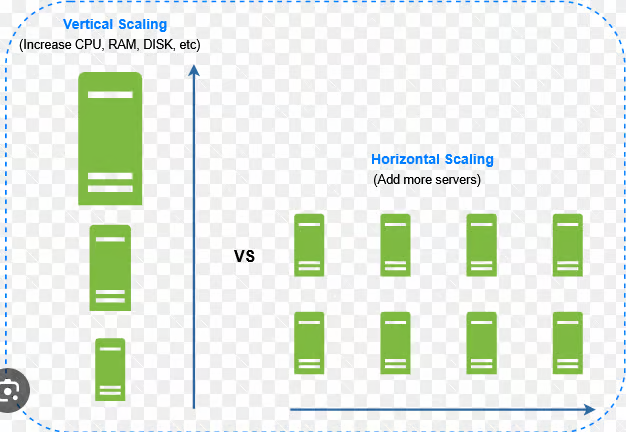
Scalability can be categorized into two key types: vertical and horizontal. Vertical scalability refers to enhancing a single server or node by increasing its resources, such as CPU, RAM, or storage capacity, to handle increased workload. Horizontal scalability, on the other hand, involves expanding the system by adding new servers or nodes, allowing for more balanced load distribution and handling increased demand.
Achieving horizontal scalability often involves techniques such as load balancing, database sharding, service decomposition, and distributed data processing.
Ensuring a system's scalability requires careful planning and architectural design, along with meticulous implementation. The process includes designing systems that can effectively manage growing workloads, optimally allocate resources, minimize component dependencies, and distribute processing tasks across multiple nodes or servers.
To enhance system scalability, techniques such as data caching, asynchronous and parallel processing, and the use of distributed databases are actively employed. Additionally, regular performance testing and continuous system monitoring are essential components to ensure the system's stability as it scales.
Scalability is critical for developing stable and efficient systems that can evolve and adapt to changing needs over time. It enables systems to respond to increased demand, deliver continuous and high-quality UX, and support business growth without performance degradation or downtime.
Availability
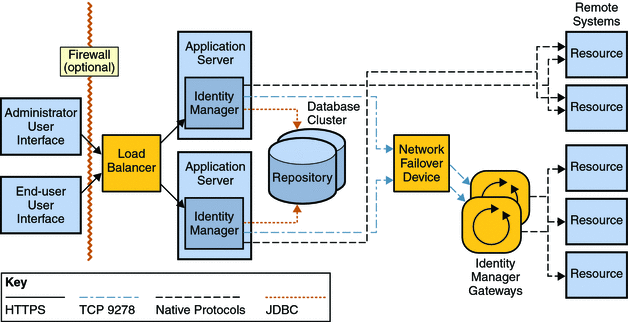
Availability describes the ability of a software system to maintain its operational status and be accessible to users even in the event of failures or disruptions.
Ensuring high availability is a foundational requirement for many systems, particularly those with high temporal costs, such as internet services, e-commerce platforms, financial systems, and telecommunications networks. Downtime in these systems can lead to significant financial losses, damage to reputation, and customer dissatisfaction, making high availability a central element in system design.
Availability is often measured by metrics such as system uptime, indicating the percentage of time the system is operational, and downtime, reflecting periods when the system is unavailable.
To achieve high availability, systems are designed with redundancy, fault tolerance, and automatic recovery mechanisms to reduce the likelihood of downtime due to hardware failures, software glitches, and other unforeseen events.
In system design, various methods and strategies are employed to enhance availability, including load balancing, clustering, data replication, backup and recovery, and continuous monitoring.
These strategies aim to reduce the likelihood of single points of failure, quickly detect and mitigate failure consequences, and ensure the system remains operational even in the face of failures or other issues.
By designing systems with high availability in mind, developers can guarantee long-term stability and service availability, which in turn leads to increased customer satisfaction, reduced downtime, and ensured business continuity.
Reliability
Reliability is critical in system design, as it directly impacts the overall effectiveness and quality of system performance. Highly reliable systems must function consistently, avoiding unexpected failures, errors, or other operational problems.
Reliability is particularly important in applications where failures can have serious consequences, such as aviation, medical, and financial sectors, as well as in safety-critical areas.
Reliability is often assessed using metrics such as Mean Time Between Failures (MTBF), indicating the average time a system operates without failures, and Failure Rate (FR), reflecting the frequency of failures over a given period.
To ensure system reliability, a variety of methods and strategies are employed, including redundancy implementation, error detection and correction mechanisms, fault-tolerant design, and reliable architectural solutions.
Developing reliable systems requires careful analysis and consideration of multiple aspects, including the quality of components used, the structure of the system architecture, error handling procedures, fault tolerance measures, and monitoring and maintenance strategies.
By developing reliable systems, developers can guarantee their stable and predictable operation, which in turn contributes to increased customer satisfaction, minimized downtime, and improved overall system performance and availability.
Fault Tolerance
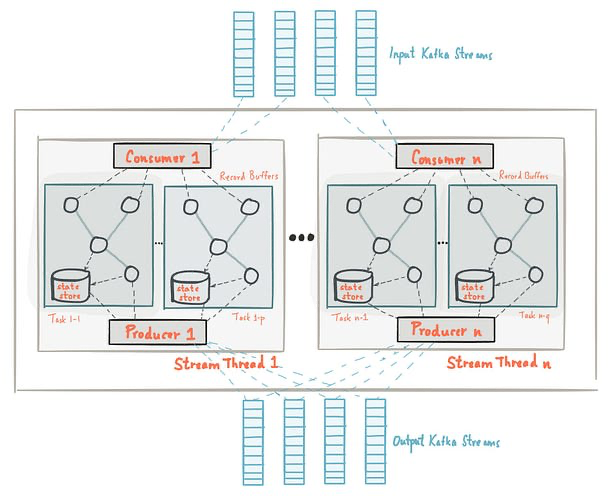
Fault tolerance describes the ability of a system or its individual components to continue operating correctly even when faced with various faults, such as hardware failures, software errors, or other unforeseen problems.
Systems with fault tolerance are designed to effectively detect, isolate, and mitigate faults while minimizing complete failures or downtime.
Fault tolerance is a key element in system design, particularly in distributed systems or systems that require continuous operation in highly complex environments.
This principle is implemented through the introduction of redundancy, error detection and correction mechanisms, and recovery systems, ensuring the system can continue functioning in the event of component or subsystem failures.
To enhance fault tolerance, various techniques and approaches are used. One such approach is replication, which involves creating multiple copies of data or services across different locations, allowing the system to continue operating thanks to other copies in case one fails. Another approach is the introduction of checkpoints, where the system periodically saves its current state, enabling it to recover to the last reliable state in case of failures. Additionally, a strategy of graceful degradation allows the system to continue functioning even if some features become unavailable due to issues.
Fault tolerance plays a critical role in maintaining high levels of system availability, reliability, and stability, especially in applications where the consequences of system failures can be particularly severe.
By integrating fault tolerance strategies into the system design process, developers can create solutions with high reliability that can function and achieve their objectives even in the face of unforeseen failures.
Caching Strategies
Caching strategies are a set of methods aimed at improving system efficiency by storing frequently requested information in a special intermediate storage known as a cache. This allows for quick access to data without the need for repeated calculations or accessing the original source.
Caching strategies can vary and should be tailored to the specific needs of the system or application. Here are some common approaches:
-
Full Caching: In this approach, all data or results are stored in the cache, providing instant access to the full set of information. This method is suitable when the data volume is small and can be efficiently stored in memory.
-
Partial Caching: Only a portion of the data, usually the most frequently requested or used, is stored in the cache. This solution is preferable for large data sets or in situations where not all data is constantly in demand.
-
Time-to-Live Caching: Data is cached for a specified period, after which the information is considered outdated and updated from the primary source. This method is suitable for data that doesn't change often.
-
LRU (Least Recently Used) and LFU (Least Frequently Used) Strategies: These approaches remove unused data from the cache to free up space for new information. They are useful when cache space is limited.
-
Write-through or Write-behind (write-back) Caching: In a write-through strategy, data is written simultaneously to both the cache and the primary source, while a write-behind strategy involves writing to the cache first and then to the source. These methods are used to maintain consistency between the cache and the data source.
-
Distributed Caching: In this approach, the cache is distributed across multiple nodes or servers using specialized technologies. This solution is ideal for distributed systems where cache consistency and performance need to be ensured across all nodes.
-
Custom Caching: Developers can create custom caching strategies that best meet the unique requirements and characteristics of the system. This may involve combining the above strategies or developing proprietary innovative approaches.
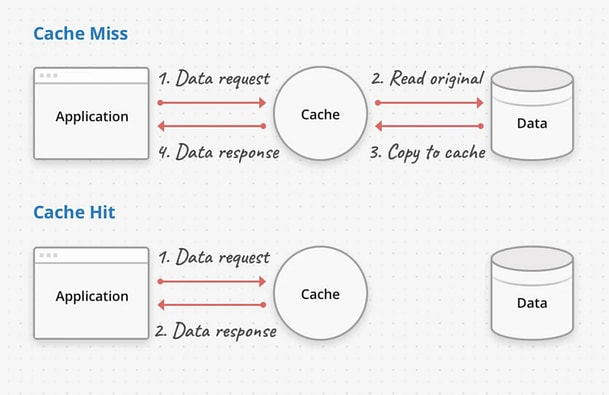
The choice of an adequate caching strategy is determined by several criteria, including the volume and characteristics of the data, the frequency of their requests, the dynamics of changes, storage capacity, data synchronization requirements, and system performance targets. A careful approach to choosing and implementing caching strategies can significantly improve system efficiency, reduce resource load, increase scalability, and optimize user interaction with the system.
Load Balancing
Load balancing is a technique used in distributed systems and network structures to evenly distribute incoming traffic and workload across multiple servers or operational nodes. This prevents individual servers or resources from being overloaded, ensuring more efficient resource utilization.
The primary goal of load balancing is to optimize resources, increase availability, and improve overall system performance and reliability. While load balancing and API gateways are often perceived as interchangeable in microservices architectures, API gateways can offer much broader functionality, as described in this article.
Various algorithms and methods are used to implement load balancing, including the following approaches:
-
Round Robin: This approach evenly distributes incoming requests among servers or resources based on a rotating order, ensuring fair load distribution among all participants.
-
Least Connections: New requests are directed to the server or resource with the fewest active connections, ensuring load balancing according to current workload.
-
Source IP Affinity: Requests from a single IP address are always redirected to the same server or resource, allowing the client to be served by the same node for request processing consistency.
-
Weighted Round Robin: Requests are distributed according to weights assigned to each server or resource, allowing their performance or capacity to be considered when assigning load.
-
Adaptive Load Balancing: Load is dynamically distributed based on up-to-date information about the state, performance, or other metrics of servers or resources, optimizing system performance.
Load balancing can be performed using specialized hardware, corresponding software, or through cloud-based services.
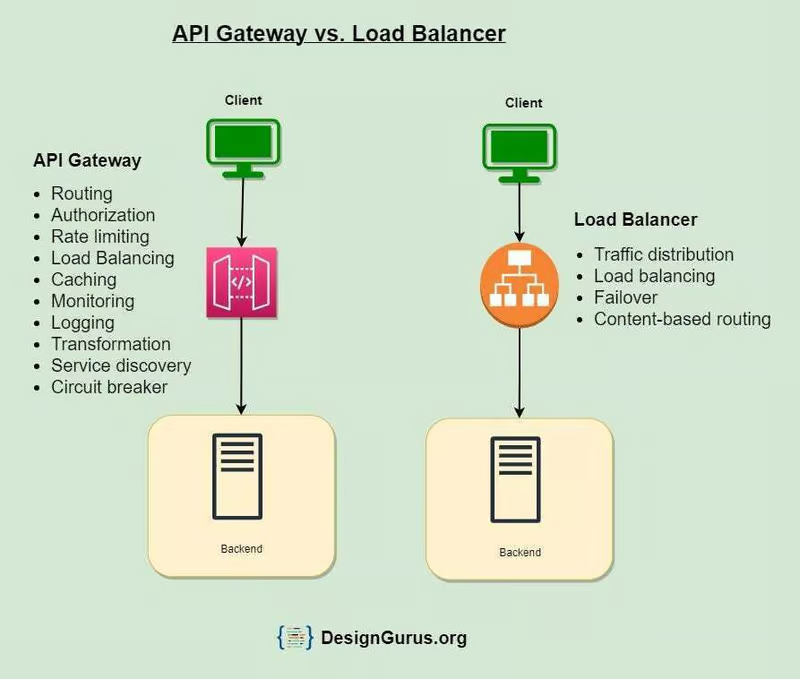
Load balancing is crucial for systems and networks exposed to high traffic loads or intensive use, as it contributes to optimal resource distribution, increased availability and reliability of the system, and guarantees continuous and high-quality UX.
Security
Security in the context of system design encompasses the process of analyzing and integrating protective measures to ensure the system's resilience against various threats, exploitation of vulnerabilities, and attacks. This means creating systems with built-in security features and applying best practices to prevent unauthorized access, data breaches, malicious impacts, and other security-related risks.
The principles of security in system design include the following aspects:
-
Authentication: Ensuring the verification of users' or system components' identities and assigning appropriate access levels based on their identification data.
-
Authorization: Establishing and managing access rights to restrict users' or system objects' actions within permitted operations.
-
Encryption: Protecting confidential information using encryption methods to prevent unauthorized access or data disclosure.
-
Auditing and Logging: Creating systems for tracking and recording actions and events in the system for subsequent analysis and compliance verification.
-
Input Validation: Checking and sanitizing input information to protect against vulnerabilities such as SQL injections, cross-site scripting (XSS), and cross-site request forgery (CSRF).
-
Updates: Regularly updating the system with the latest security patches and updates to address known vulnerabilities.
-
Multi-layered Protection: Implementing a comprehensive security system using firewalls, intrusion detection systems, and antivirus software to protect against multiple threats.
-
Principle of Least Privilege: Granting user rights and privileges only at the level necessary to perform specific tasks, minimizing security risks.
-
Secure Connection: Using secure communication protocols, such as HTTPS or SSL/TLS, to ensure the confidentiality and integrity of transmitted data.
Security is a fundamental element in the system design process, necessary to ensure the integrity, confidentiality, and availability of information and resources, as well as to maintain the overall level of system security. It should be carefully considered and integrated at all stages of the system lifecycle, from design to development and implementation, to minimize potential security threats.
Scalable Data Management
Scalable data management is defined as the ability of a system or application to adequately handle increasing volumes of data while maintaining stable performance and full functionality. This task involves the development and implementation of methods and technologies for data management that can adapt to increasing information flows, growing user demand, and rising data processing requirements, ensuring the system's reliability and efficiency.
The general principles of scalable data management include the following components:
-
Data Sharding: Splitting large data sets into smaller segments for distribution across different storage systems or processors, reducing the load on individual elements and enabling parallel processing, thereby increasing performance.
-
Distributed Databases: Applying distributed data storage systems that can distribute information across multiple nodes or servers, supporting horizontal scalability and improving performance.
-
Data Replication: Creating copies of data on different nodes or servers to ensure their availability and fault tolerance, using methods such as mirroring, partitioning, or data caching to improve performance and reliability.
-
Caching and In-memory Storage: Using caches for frequently requested information or storing data in memory provides fast access and reduces dependence on I/O operations, which helps increase processing speed.
-
Indexing and Query Optimization: Developing efficient indexes and optimizing queries to speed up data search and processing in large volumes of information.
-
Data Compression: Applying compression techniques to reduce data volume, improving storage and transmission processes, especially in the case of large data sets.
-
Data Archiving and Cleanup: Organizing processes for archiving and deleting old or rarely used data to reduce storage volume and ensure higher system performance.
-
Scalable Data Processing Platforms: Using scalable solutions such as Apache Hadoop, Apache Spark, or Apache Flink for big data processing in a distributed environment.
-
Cloud Data Management: Optimizing data with cloud services such as Amazon S3, Amazon RDS, or Google Bigtable, which offer flexible and scalable storage and data processing options.
-
Scalability Monitoring and Testing: Continuously monitoring performance and conducting special scalability tests to identify and eliminate bottlenecks, resource constraints, and other issues, as well as to confirm that data management methods adequately cope with increasing data volumes and load.
Overall, scalable data management is key for modern applications and systems that need to efficiently handle growing volumes of data, increasing user requests, and higher data processing requirements. This approach allows systems to evolve and adapt to changing requirements while maintaining high standards of performance and reliability. It ensures the ability to manage data more effectively, meeting the increasing volume of information and load.
Design Patterns
Design patterns in system development are proven and widely used solutions designed to solve common problems and challenges encountered in the creation of software systems. These templates represent established and practice-tested methodologies for software design and architecture, offering clear guidance for developing efficient, maintainable, and scalable systems.
Depending on the area of application, design patterns can be classified into various categories, including:
-
Creational Patterns: These patterns focus on object creation methods, offering flexible and reusable approaches. Such patterns include Singleton, Factory Method, Abstract Factory, Builder, and Prototype.
-
Structural Patterns: These patterns are aimed at organizing classes and objects to create more extensive structures or systems. Examples include Adapter, Bridge, Composite, Decorator, and Facade.
-
Behavioral Patterns: These patterns are oriented towards managing interactions and information exchange between objects or system components. They include Observer, Strategy, Command, Iterator, and Template Method.
-
Architectural Patterns: These patterns provide guidance for developing the overall structure of systems at a high level. Examples include MVC (Model-View-Controller), MVVM (Model-View-ViewModel), layered architecture, microservices, and event-driven architecture.
Design patterns are a key element in system design, as they provide tested and standardized solutions to common design problems, enhance code quality, and facilitate ease of maintenance and extension.
These patterns promote code reuse, clear separation of responsibilities, and abstraction of functional elements, which significantly simplifies the management of system complexity and allows them to adapt flexibly to new requirements.
By applying design patterns, developers can rely on a solid foundation of knowledge and best practices to create reliable and efficient systems that meet user and business needs.
Performance Optimization
Performance in system design refers to the ability of a software system to process data quickly and efficiently and deliver results that meet our expectations from a personal computer.
Optimizing system performance through the use of efficient algorithms, caching, indexing, and other methods is key to building powerful systems that can process data at the level of large business tasks and maintain optimal response times.
Performance in system design concerns the ability of a software product or application to perform its functions effectively, meeting performance standards and user expectations. It includes parameters such as response speed, throughput, resource consumption, scalability, and overall system operability.
Performance is a critical aspect of design because it directly impacts the user experience, system stability, and overall efficiency. Poor performance can lead to system slowdowns, reduced throughput, increased resource consumption, and inefficiency, ultimately affecting user satisfaction.
In system design, developers must consider many aspects of performance, such as choosing appropriate algorithms and data structures, optimizing code, minimizing redundant operations, managing resources efficiently, and configuring the system correctly.
Performance testing and code profiling methods are also used to identify and eliminate bottlenecks, contributing to improved system performance.
Achieving optimal system performance is a complex task requiring a balance between functionality, complexity, and efficient resource usage. It involves a thoughtful approach to design, application of best practices, continuous monitoring, and performance improvement to ensure the system meets requirements and delivers a high-quality UX.
This overview of key system design principles is essential for successful interviews. Understanding these fundamental concepts is crucial for programmers in creating reliable, scalable, and high-performing software systems.
Principles such as fault tolerance, reliability, availability, caching strategies, load balancing, security, scalable data management, design patterns, and performance optimization play a key role in achieving software systems' goals, ensuring their efficient operation, and creating an outstanding UX.
With a deep understanding of these aspects of system design, you will be able to make informed decisions during development, choose the best technologies and methodologies, and improve the system's overall effectiveness.
Source: https://dev.to/somadevtoo/10-must-know-system-design-concepts-for-interviews-2fii, https://habr.com/ru/articles/770564/