What is it?
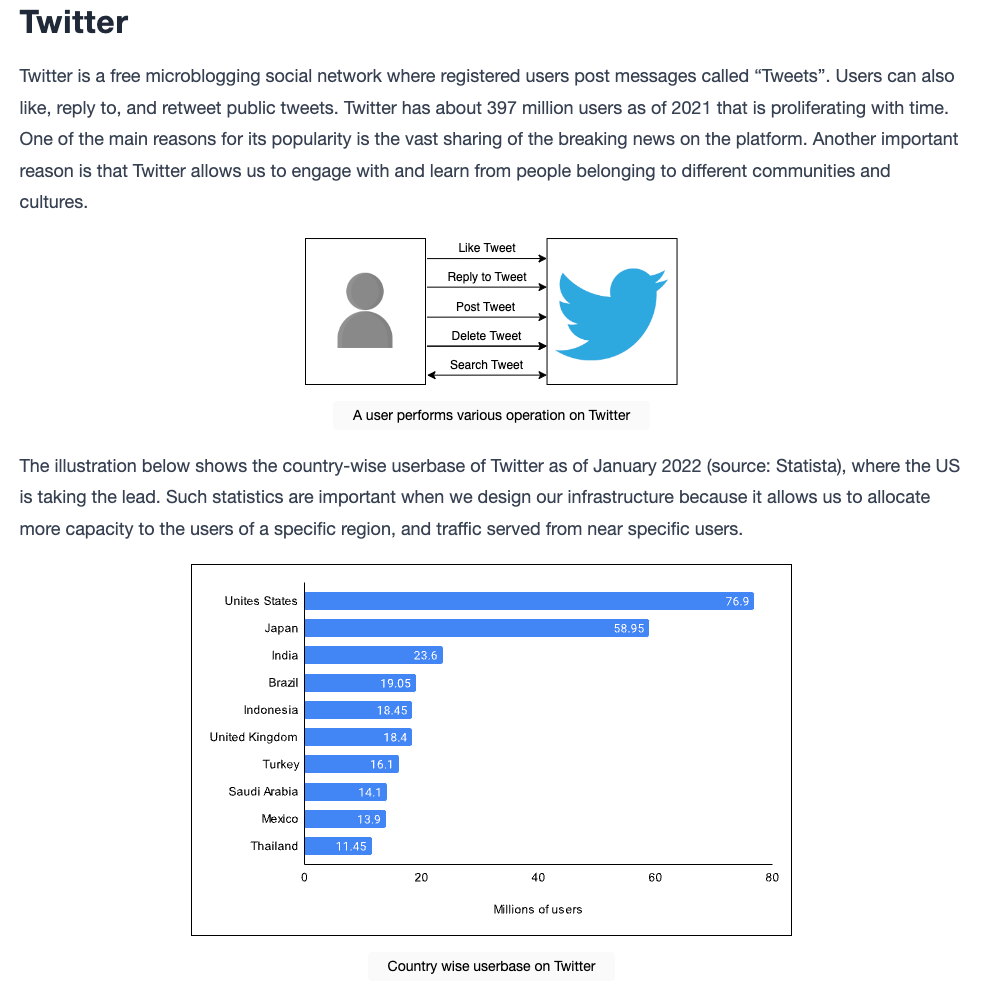
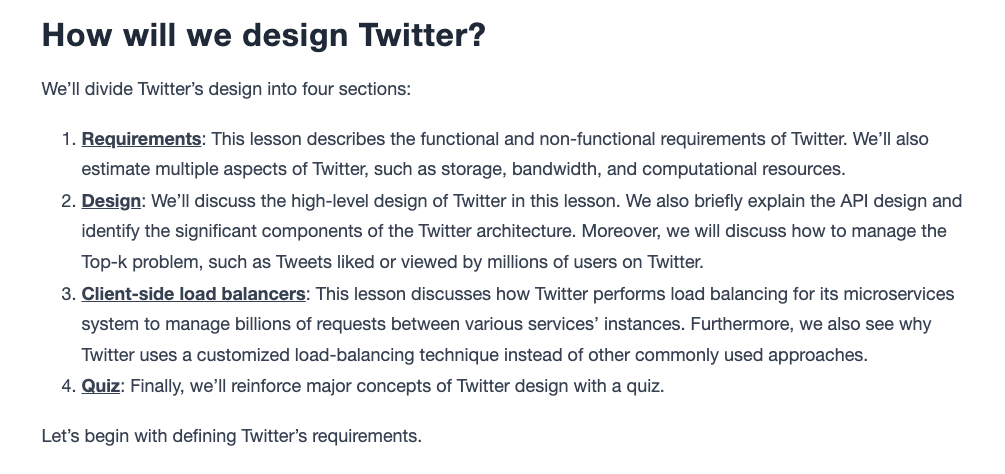
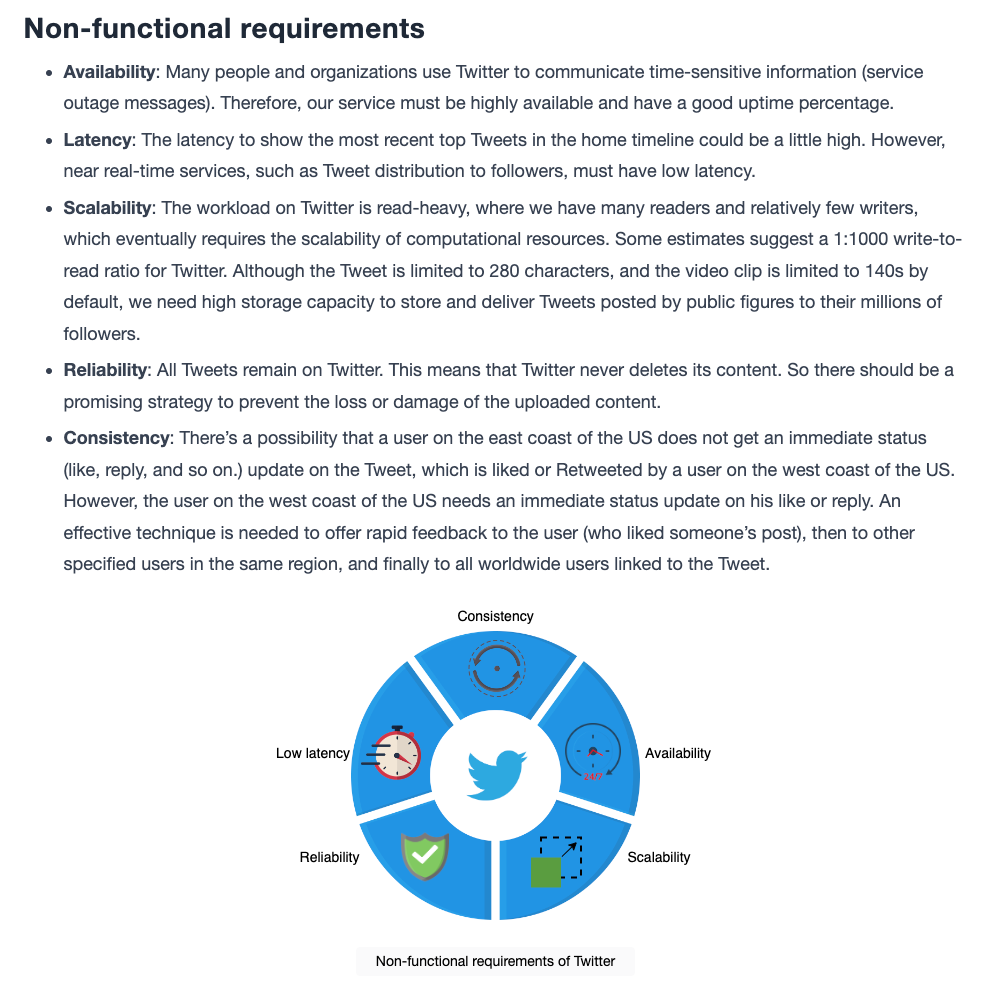
Requirements of Twitter’s Design
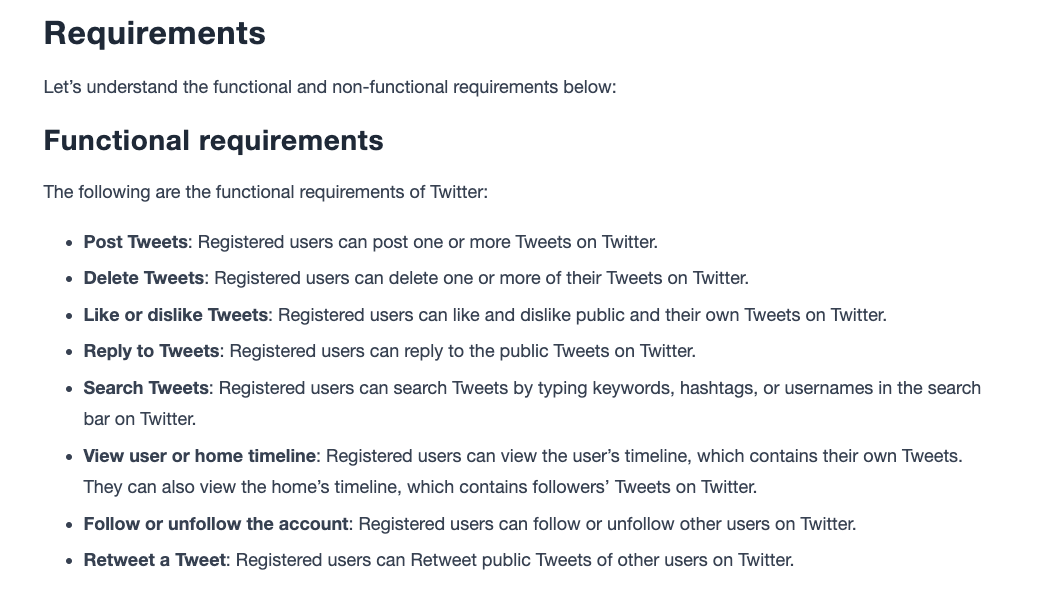
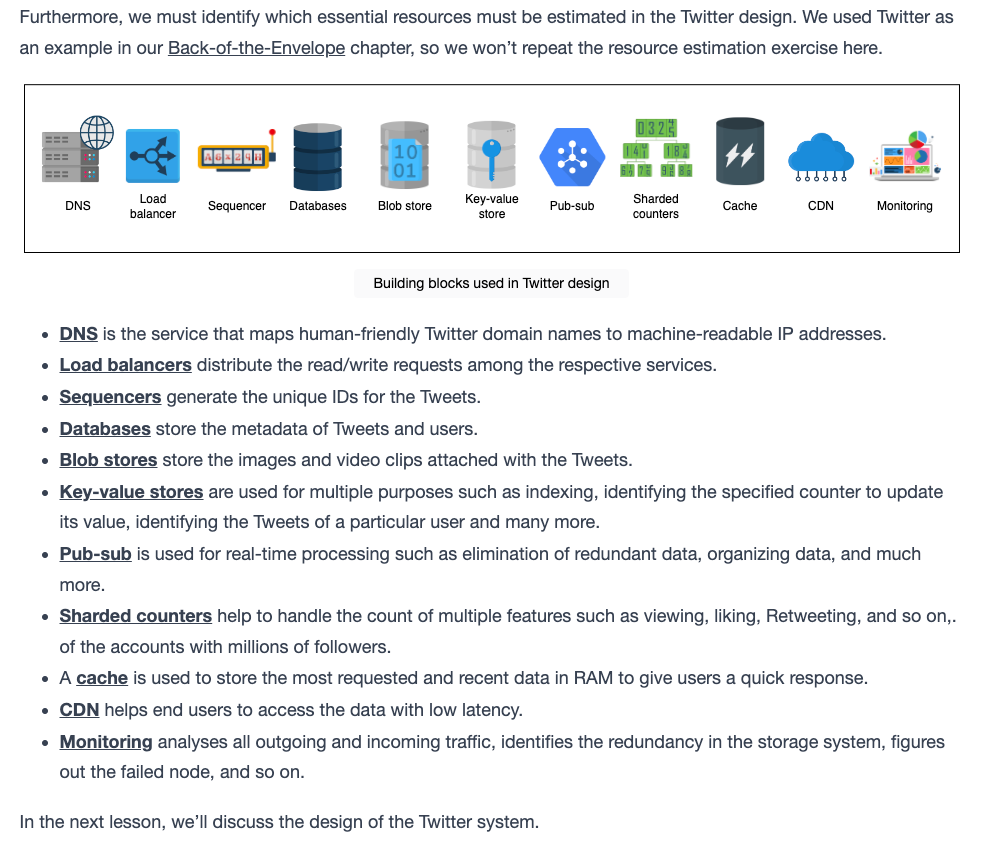
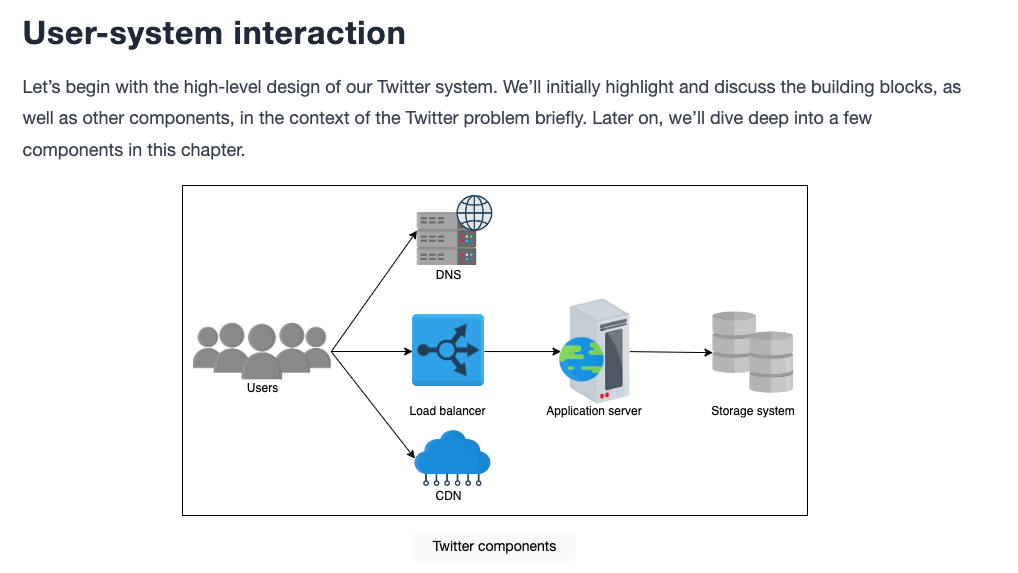
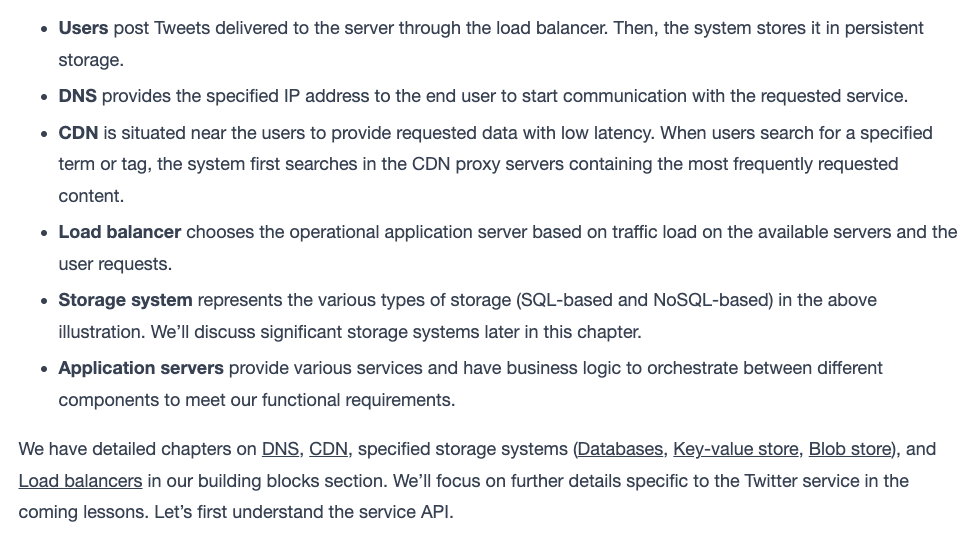
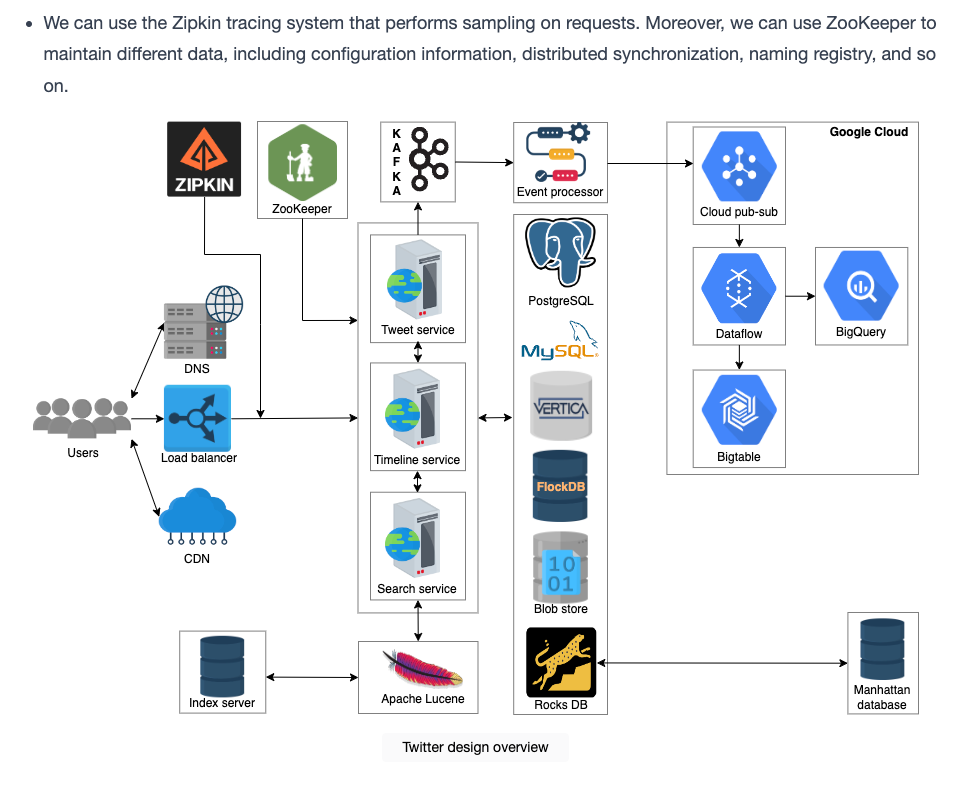
High-level Design of Twitter
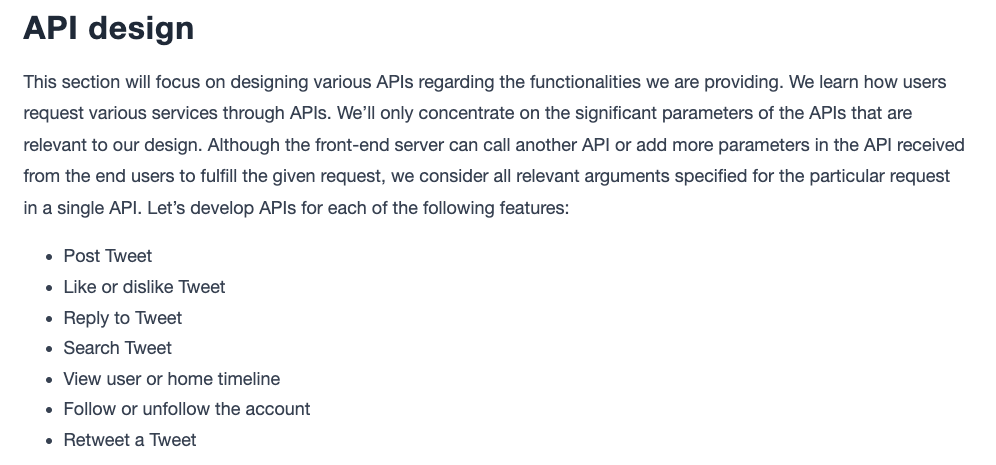
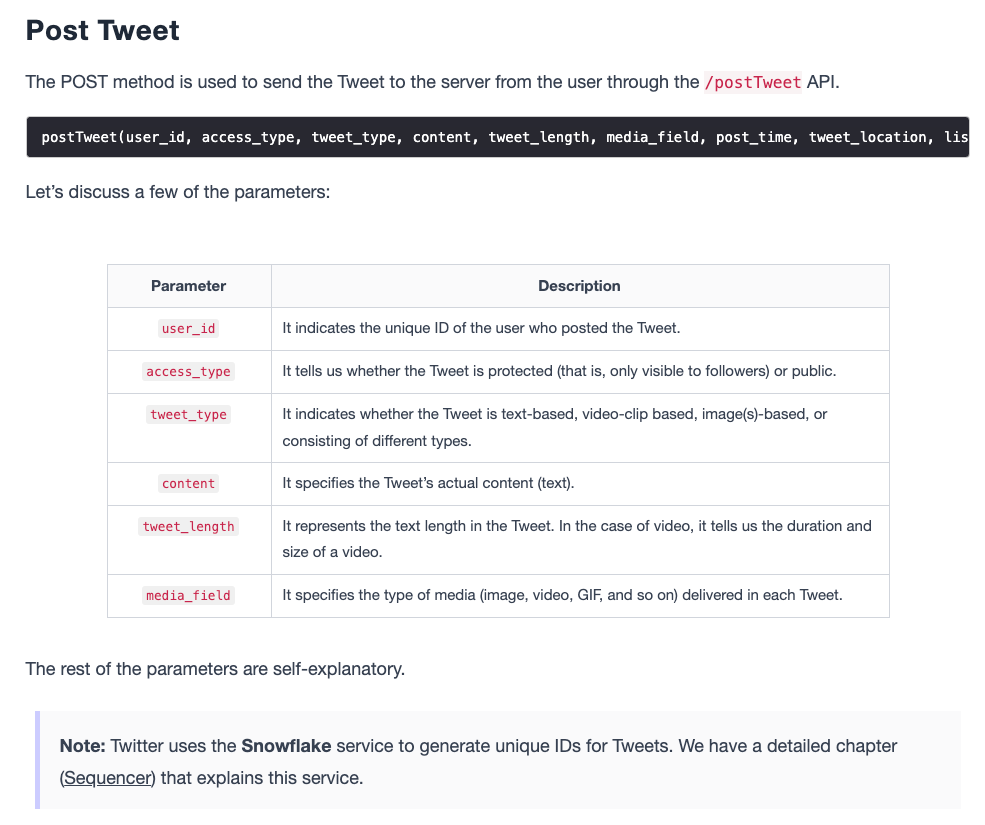
At most, how many hashtags can a Tweet have?
Details
The text limit is 280 characters in a Tweet. So, users can use the hashtag(s) such that text length (including plain text, any links, and hashtags) does not exceed the limit of 280 characters.
What is the need for the list_of_tagged_people in the /postTweet API?
Details
The system has to notify the people tagged in the Tweet.
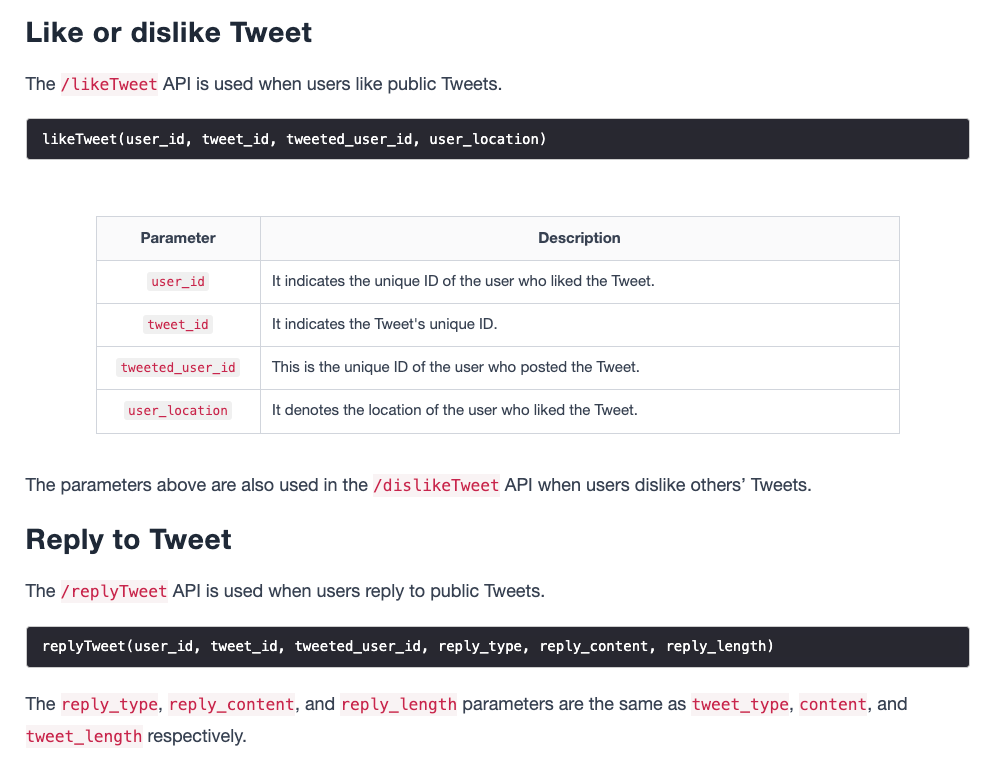
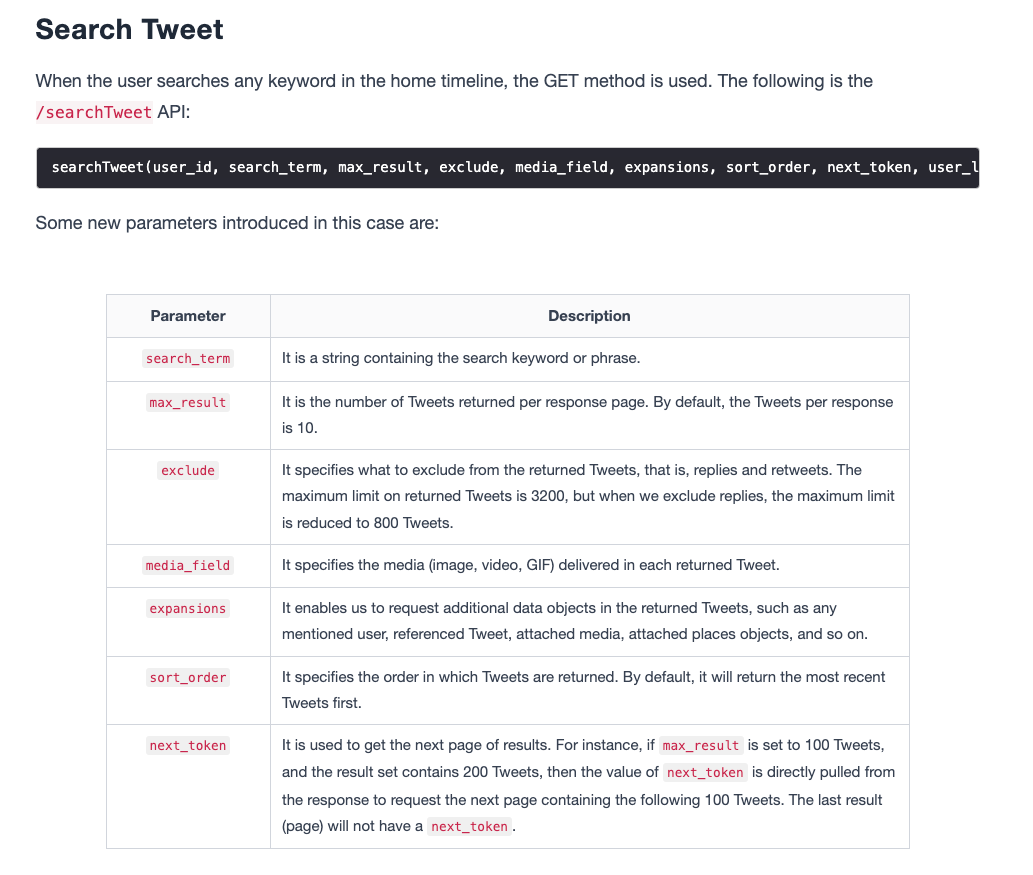
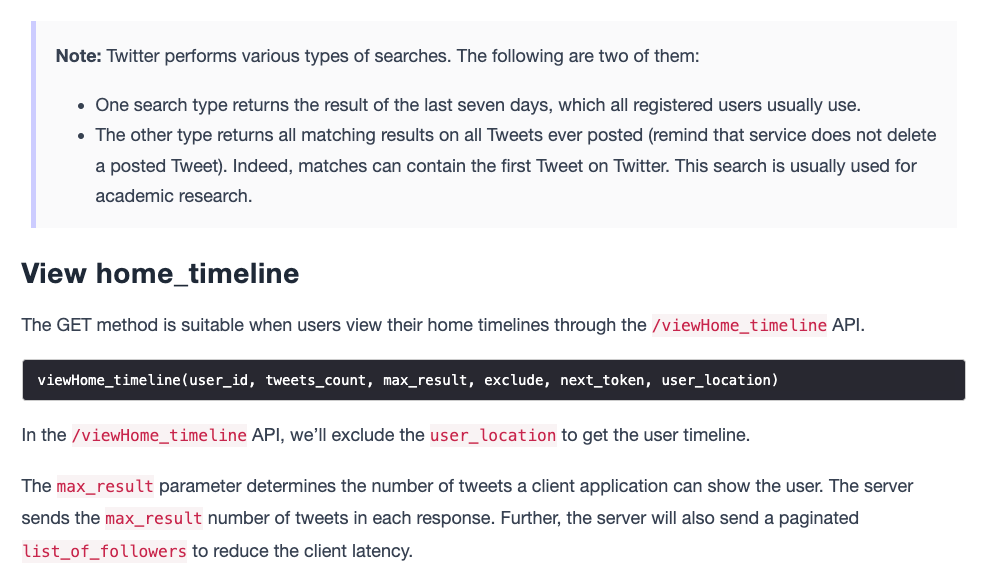
Which parameter in the viewHome_timeline method is the most relevant when deciding which promoted ads (Tweets) to be returned in response?
Details
The decision to send specified promoted ads is made on the user_location parameter. For example, the user belongs to the NewYork city, so most probably it gets promoted ads associated or originated in that region.
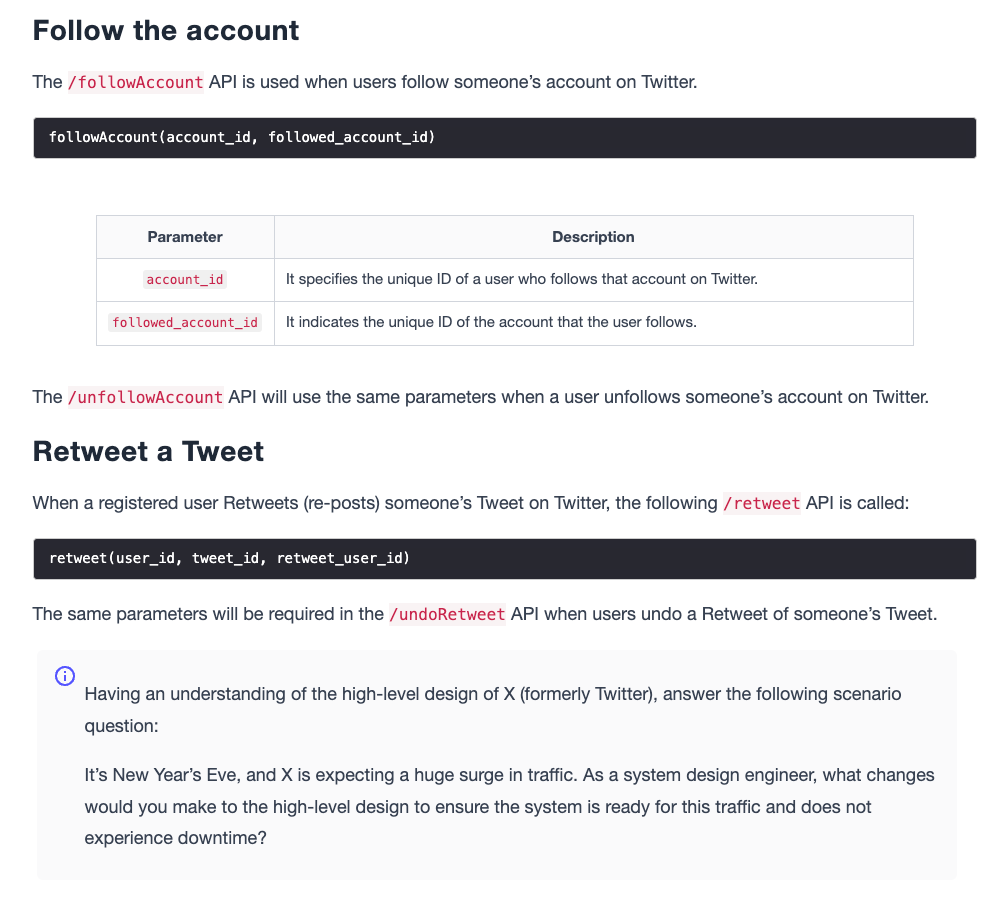
Details
To ensure the system is ready for the expected surge in traffic on New Year’s Eve and to avoid downtime, you would need to make several changes to the high-level design of Twitter. These include:
- Caching: Implement caching strategies for frequently accessed data to reduce the load on the database servers.
- Database Scaling: Add more database servers to distribute the load more effectively.
- Load Balancing: Optimize the load balancers to ensure the increased traffic is evenly distributed across all servers.
- Failover Strategy: Have a backup plan in place in case of a failure to ensure system resilience.
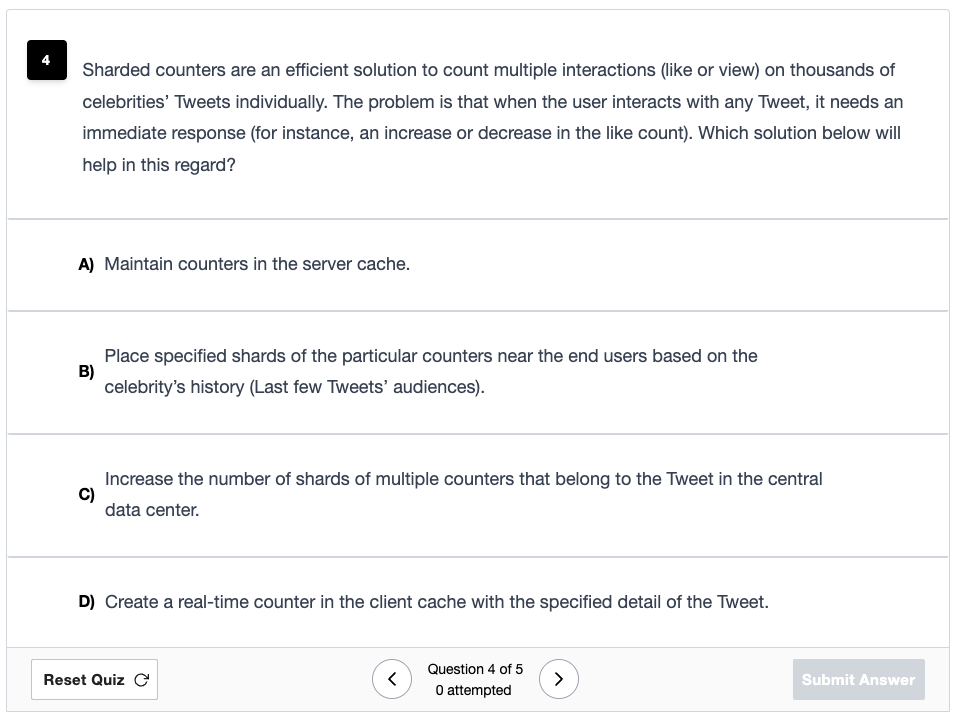
- Sharded Counters: Increase the number of shards in its sharded counters to handle the expected burst of writes during interactions with tweets, such as likes and retweets. These changes aim to enhance the system’s ability to handle high traffic volumes, ensuring reliability and performance during peak times.
Detailed Design of Twitter
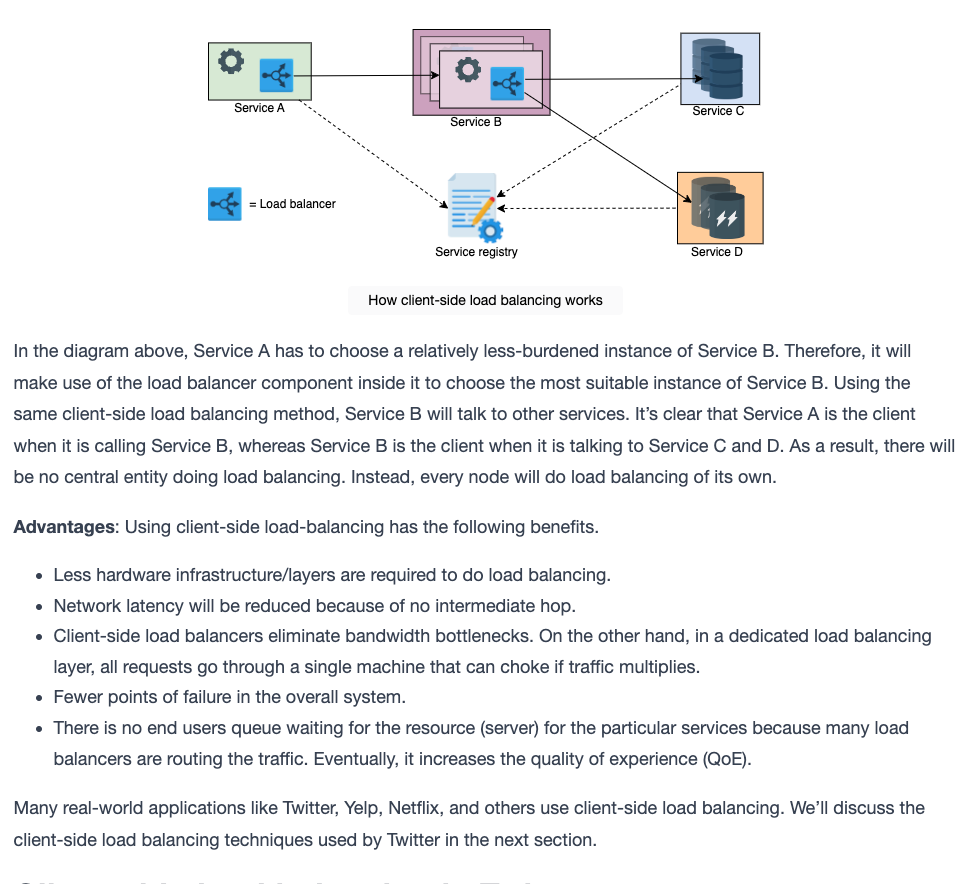
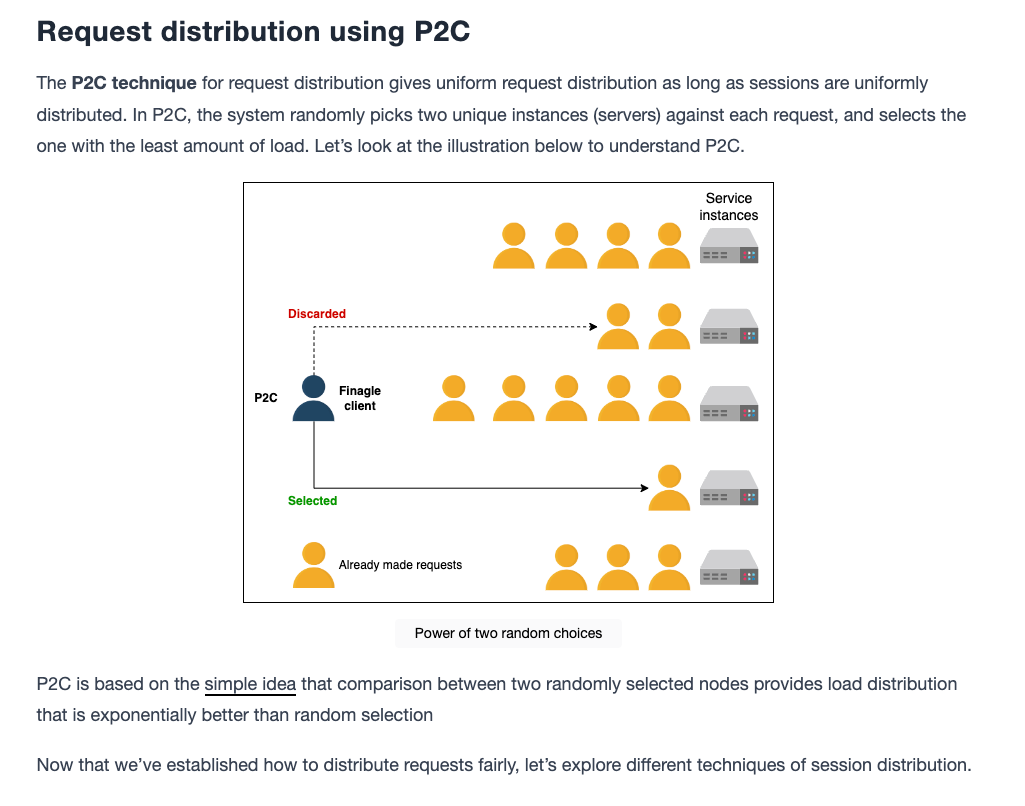
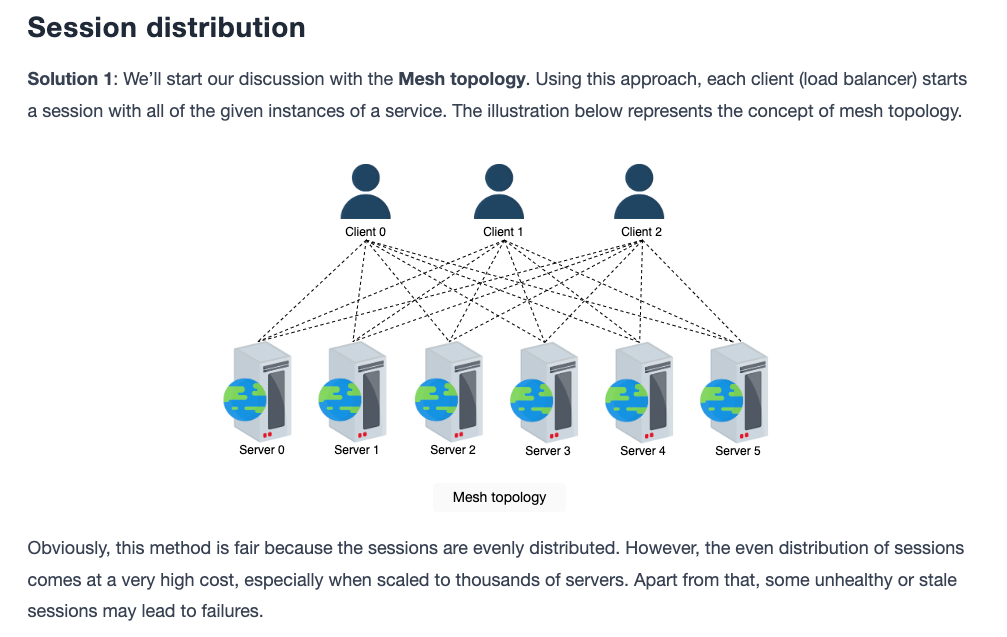
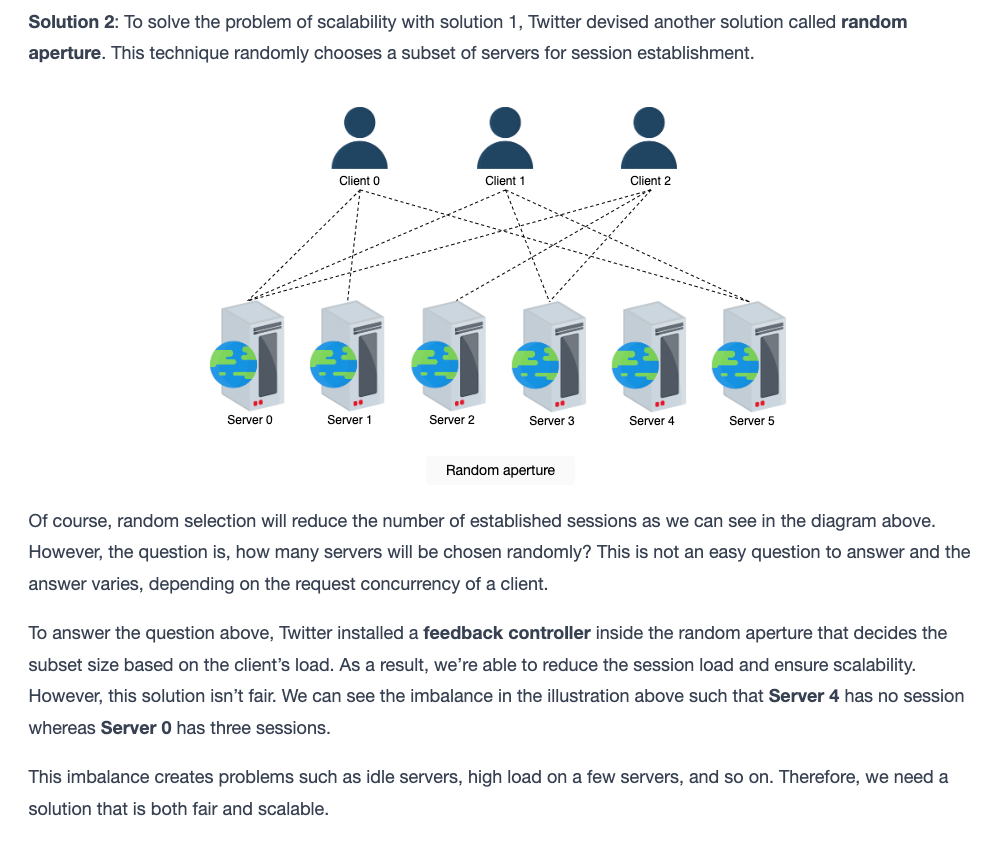
Client-side Load Balancer for Twitter
Details
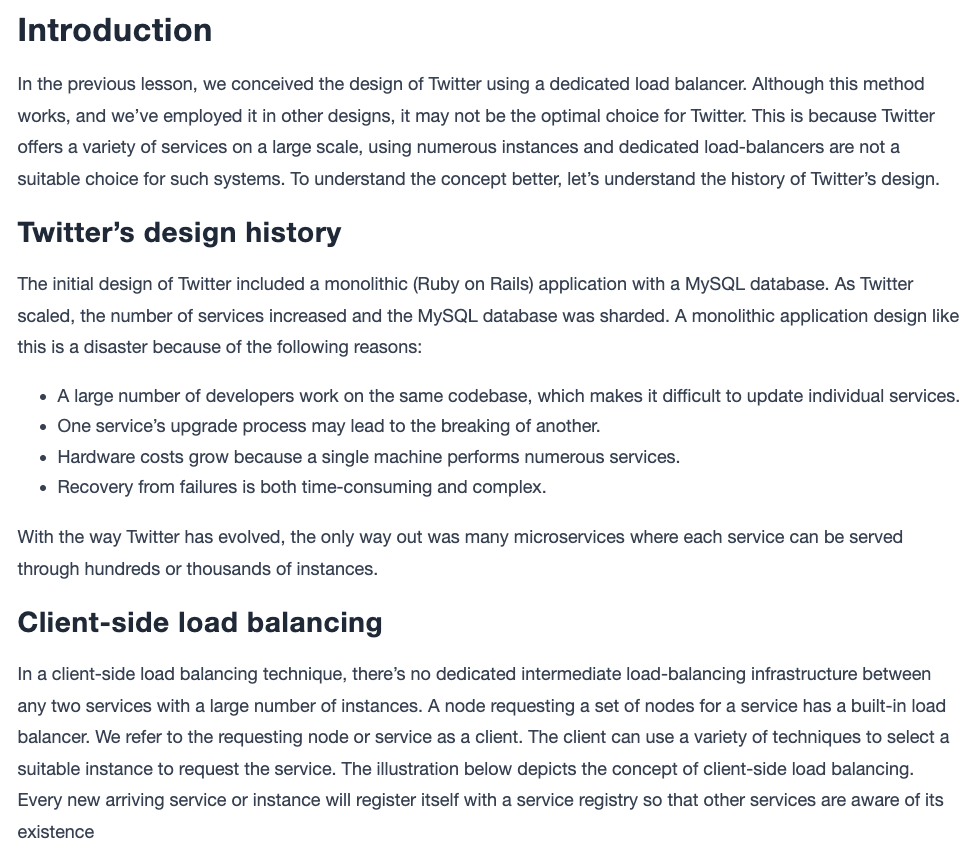
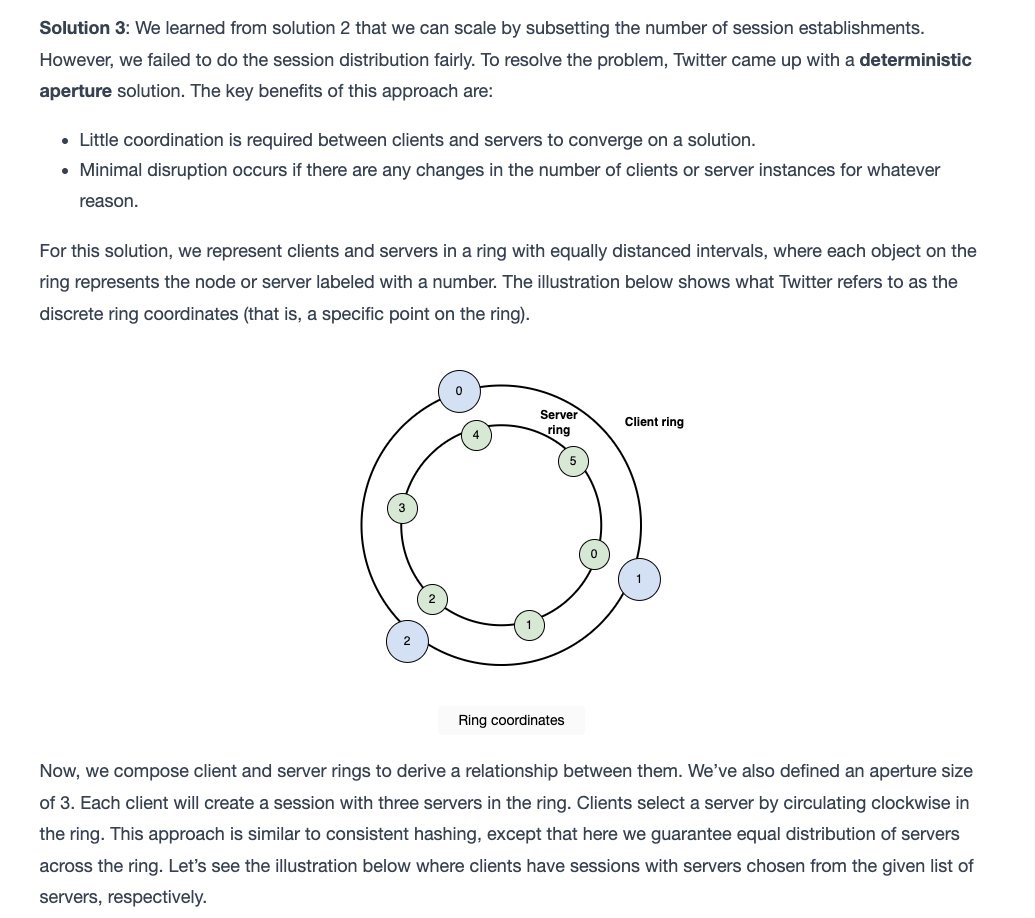
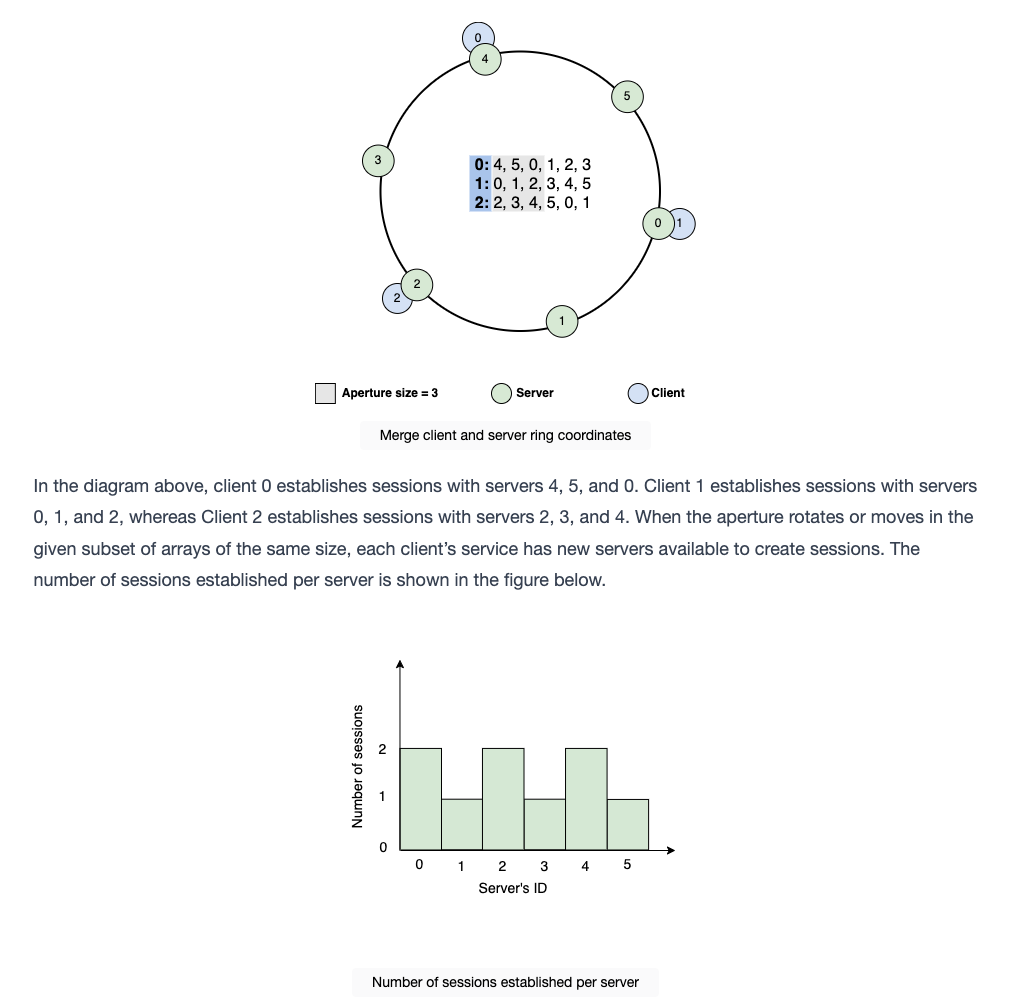
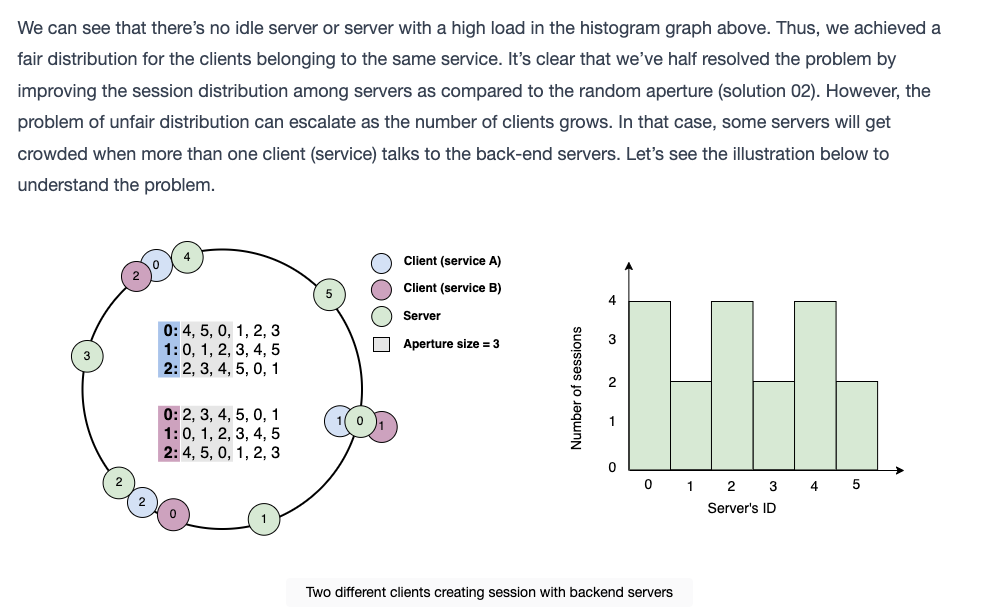
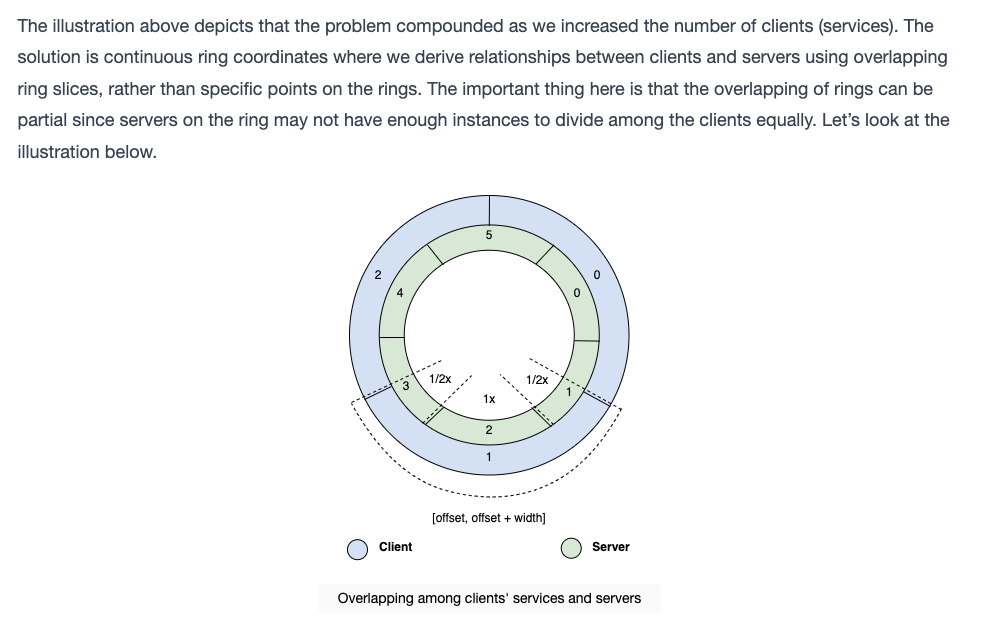
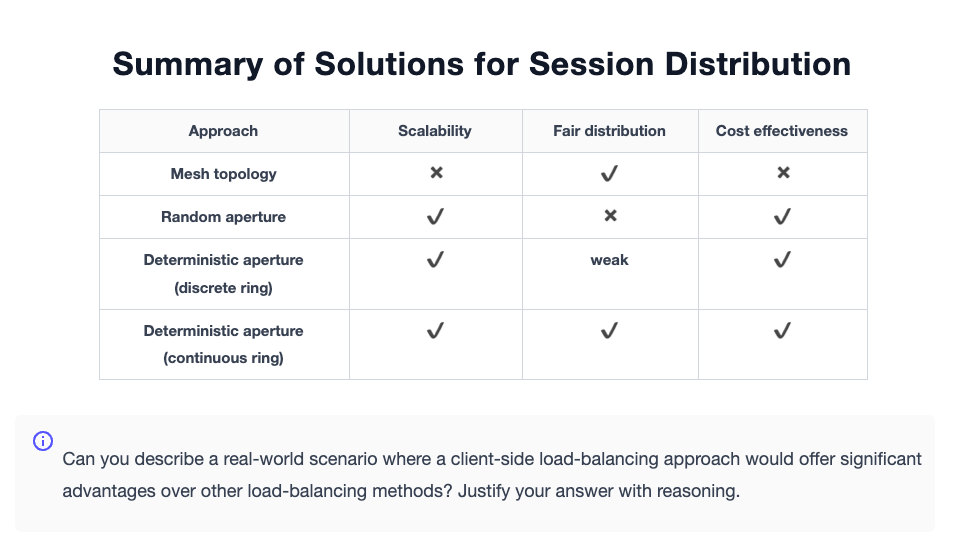
In a real-world scenario, a client-side load-balancing approach would be highly suitable for a cloud-based microservices architecture. In such a setup, each service could be deployed across multiple instances for scalability and reliability. Client-side load balancing allows the client (which could be another service) to make intelligent decisions on which instance to send requests to, based on the current load, latency, or other custom criteria. This approach reduces the need for a central load balancer, decreases latency by avoiding an extra network hop, and allows for more granular control over traffic distribution, which can be particularly beneficial in a dynamic environment where service instances can scale up or down frequently.